
Scattered across the record
The sleep apnea signals are spread across notes, vitals, labs, and medication changes from every visit over the years.
Untreated obstructive sleep apnea raises the risk of hypertension, atrial fibrillation, heart failure, and stroke. Most of it is never diagnosed.
The evidence is usually already in the chart. The Grelin OSA module, part of Chart.ai, reads the records your practice already holds and tells you which patients deserve a closer look.

Clinical Bottleneck
A cardiology patient sees several clinicians over several years. Each visit adds notes, vitals, labs, and medication changes. The sleep apnea signals are scattered across all of it.
The sleep apnea signals are spread across notes, vitals, labs, and medication changes from every visit over the years.
No one reads the whole record for every patient. There is no time, so the signals that are already there go unread.
The risk sits in the chart, documented and unacted on. The problem is documentation, not detection.
System Capabilities
Clinically validated insights, backed by existing patient records.
Reads the full patient record to identify documented sleep apnea risk indicators.
Finding: Potential sleep apnea risk
Source: Clinical findings documented in the patient's existing medical record
Reviews safety findings before applying the sleep apnea risk score across six clinical domains.
Safety findings: Reviewed first
Scoring: Applied across six clinical domains after safety review
Every flagged patient comes with supporting findings from their own medical record.
Finding: Documented sleep apnea risk indicators
Source: Evidence from the patient's existing medical record
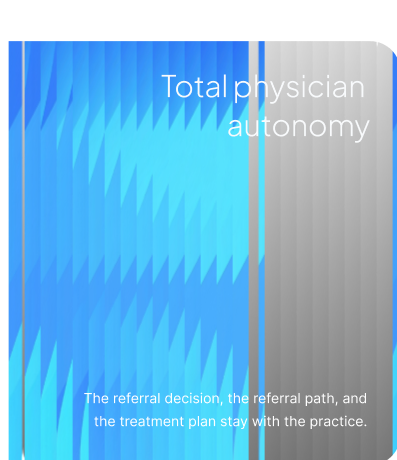
The practice reviews findings and decides who to refer through its existing workflows.
Action: Review findings and decide on referral
Referral: Managed through the practice's existing channels
Defined Guardrails

It does not diagnose. The physician makes every clinical decision.

It does not suggest tests. It surfaces what is already documented, with coverage context for the physician to weigh.
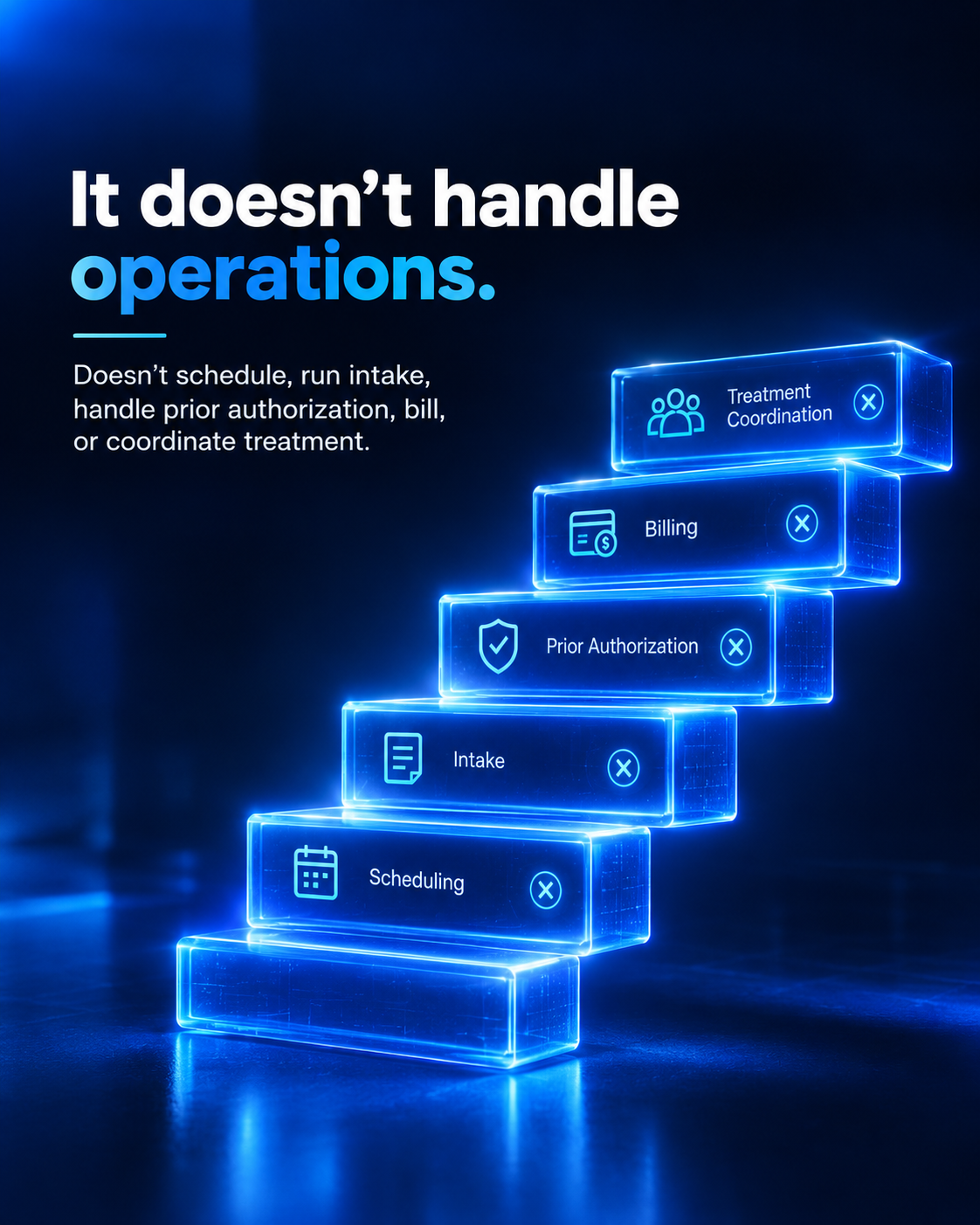
It does not schedule, run intake, handle prior authorization, bill, or coordinate treatment.
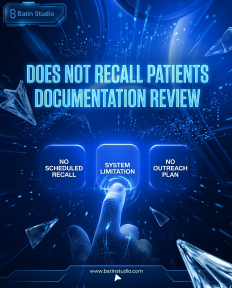
It does not recall patients. This is a documentation review. There is no scheduled panel wide outreach.
Physician Architecture
The clinical logic was written and reviewed by physicians before it was built into the engine.
Safety findings run first. A patient with a documented contraindication or a condition that changes the clinical picture is flagged as such before any risk score is considered.
The module asks no more than three questions of any patient record. If the record does not hold the answer, the patient is not scored on that domain.
Safety Protocol Sequence
Exclusionary Pre-check
Documented contraindications identified immediately
Constrained Domain Query
Maximum three structured queries per clinical domain
Physician Presentation
Direct evidence citations surfaced for clinic sign-off

Population Focus
Cardiology patients carry the highest concentration of undiagnosed sleep apnea of any specialty population. The overlap between cardiac conditions and OSA is well established in the clinical literature.
That makes a cardiology practice the place where documentation review finds the most patients who need care and are not getting it.
Literature Baseline
Learn how Chart.ai identifies sleep apnea risk from existing patient records and supports clinical review.
No. The module reads existing documentation only. Nothing is asked of the patient.
No. It does not suggest or order tests. It surfaces what is already documented so the physician can decide.
The practice does, through its existing channels. The module reports findings and stops there.
Not by the module. This is a documentation review. Any outreach is the practice's decision.
It flags patients whose own records hold documented findings that point to obstructive sleep apnea risk. Each flagged patient comes with the evidence that drove the result. The practice reviews the list and decides.
Physicians wrote and reviewed the clinical logic before it was built into the engine. Safety findings run first, so a documented contraindication or a condition that changes the clinical picture is flagged before any risk score is considered.
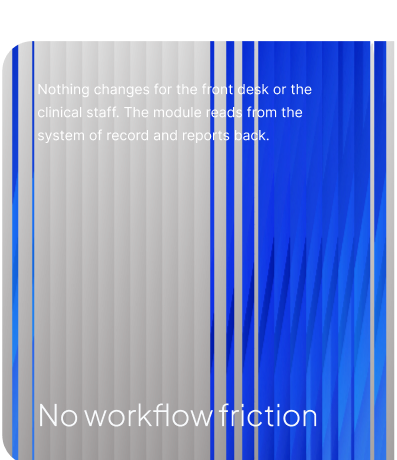
No. Nothing changes for the front desk or the clinical staff. The module reads from the system of record and reports back, and the cardiologist reviews the findings like any other.
No. The physician makes every clinical decision. The module also does not schedule, run intake, handle prior authorization or coordinate treatment.
The patient is not scored on that domain. The module asks a limited set of questions of any record and does not guess when the record is silent.
Still have questions?
We're here to help you see what is already in your records.
Review existing cardiology documentation without patient outreach or testing burden.
Inquiries: bizdev@grelinhealth.com


